
The Role of Planting Flowers in Intentional Goal Setting


The phrase, “planting seeds,” is widely used as a metaphor for inserting ideas into others’ fields of ideology. For parents and educators, “planting seeds” is often how we incrementally get our kids and students to move in the direction we hope they will go. It can be as pivotal as college decision making or as inconsequential as taking a bath. Regardless, it’s a method that often works over time if these suggestive words don’t transcend into nagging or become so transparent that insightful kids see right through them. Reverse psychology can hijack the method and simply send kids in the opposite direction..
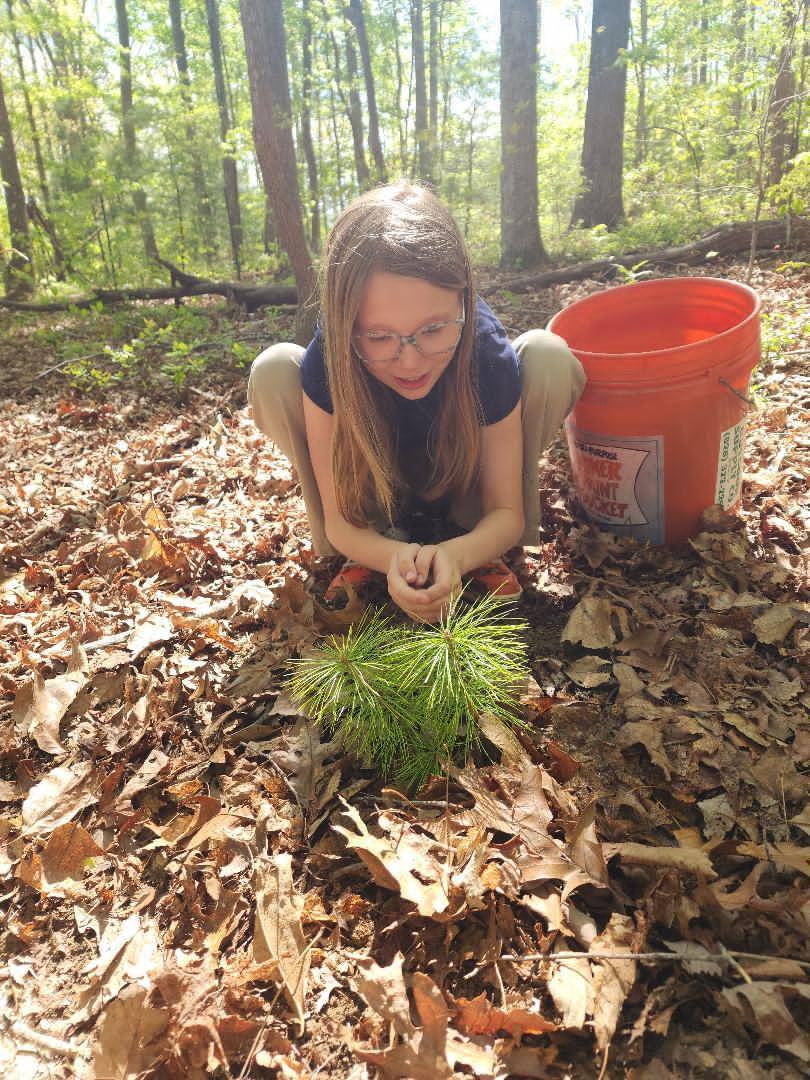
When I plant seeds with students, I actually plant seeds, even a flower, or even better, a juvenile tree. The whole process becomes a lesson in goal setting and habit formation. Here’s how it goes if you want to try it yourself:
Have a goal determined already for both yourself and the student (the student should, of course, determine this themselves). I’m not a fan of SMART goals anymore because most of my students roll their eyes at the structure, but I do talk them through determining a goal, and ask leading questions that do align with the SMART goal strategy, just a bit less “fill out this form” in structure. My goal to share with students is typically one centered on improving exercise.
Have your seeds/plants ready. At least one for each of you. I like to have a lot of seedlings at hand and ask students to pick one. This creates more engagement and buy in. Now the student has their seed, which represents their goal, or “habit” if you are working with someone who considers “goal” to be a four letter word.
Next, I walk into the forest and suggest they find a spot to plant their seed. I explain how new plants need a combination of both space to grow and support from the surrounding flora. Some trees even merge their root systems underground, especially if they are the same species. This can be tied to how we place a new habit. Best results tend to happen when we designate time and space for it in our schedule, but align it next to something we are already doing well, like a set lunchtime. Once the student determines a good spot for the seed, I double check. Does it get enough sun and water here? Does it have room to grow, but also the protection of older, established, healthy plants?
When we start digging our holes, we supplement the native soil with what is needed to sustain the seed for the first year. This soil is the “stuff” needed to nourish the new goal or habit. Let’s say my goal was to begin running every day. I would plant that goal before breakfast time, and get the stuff I needed to make it easier to sustain: new running shoes and clothes, hydration pack, an app that I could download to my watch to track my mileage. This is the soil.

Once the hole is dug, the soil supplemented, and the seed planted, we water it in. I explain how newly planted seeds need regular watering, or the seed will dry out. This compares to the consistency needed for new habits that support goals to be successful. A little water everyday for the first two weeks establishes a set routine for most people. If watering is erratic, the seed has very little chance of surviving its first year, just like new habits if they are implemented only occasionally.
What else do seeds need? Sun, of course. When I was a preschool teacher, whenever we planted seeds for our vegetable garden, we would sing to them:
“We give them soil, water, and sun. That’s how life’s begun.” I can still picture sweet Zelda and Keenan singing side by side while squatting to gently water the soil everyday. They loved it, and would waddle around in their duck boots with the hose most of the afternoon if allowed, singing to the new sprouts. Fun is what the sun stands for, and it is an essential ingredient. If we don’t make instilling a new habit fun, it’s tough to find the motivation to follow through. When we add friends, rewarding scenarios, and maybe even some competition, the chances of our seeds becoming magnificent oak trees multiplies.
For students, having something real to tend daily helps them understand how to tend something less tangible. Especially students who have difficulty with abstract thinking or who have trouble seeing beyond themselves. Guiding them to caretake their seeds models for them how to also take care of their intentions, which supports a realm of executive function skills.
I wish for you all great success in planting your seeds, and remember, we learn as much from the seeds that don’t sprout as we do from the ones that do.


Comments